In a nutshell
- 🌱 The “eggshell elixir” strengthens tomato roots by supplying soluble calcium that reinforces cell walls and membranes; it acts quickly only when in solution and with active transpiration.
- 🧪 Three methods: vinegar extraction to make fast-acting calcium acetate, a moderate hot-water slurry, and slow-release roasted powder; always dilute (1:50–1:100), filter, and bake shells for safety.
- ⚖️ Pros vs. Cons: Rapid support at transplanting and first truss, fewer cases of blossom end rot, and microbial benefits—but risks include local pH swings, Mg/K antagonism, and root scorch if overconcentrated.
- 📊 Field notes: A UK allotment trial using a 1:80 dilution (200–250 ml per plant) showed faster establishment and fewer early BER incidents; best results came with steady moisture and soil pH 6.2–6.8.
- 📝 Practical playbook: Apply a soluble drench at transplanting and first truss as a ring drench 10–15 cm from the stem, avoid stacking high-calcium feeds, and prioritise even watering for reliable uptake.
Garden lore says the best tonic for weary tomatoes is hiding in your breakfast. The so-called “eggshell elixir” promises a quick hit of calcium to harden cell walls and armour young tomato roots against stress. In UK plots—where spring swings from cold snaps to dry gusts—growers want anything that steadies seedlings. Yet speed and science rarely mix neatly. The truth is that calcium can act fast when you deliver a soluble form to active roots, but it still obeys plant physiology and soil chemistry. Here’s a practical, evidence-led guide to extracting, applying, and timing eggshell calcium so your plants get resilience without the risks.
What Eggshell Calcium Really Does for Tomato Roots
Calcium is a structural and signalling workhorse. In roots it fortifies cell walls (via calcium pectate), stiffening tissues at the root cap and elongation zones. That translates to cleaner penetration through soil particles, better resistance to minor abrasion, and improved membrane integrity under drought swings. Calcium also moderates ion channels that manage nutrient uptake—think of it as a bouncer at the door, preventing sodium or ammonium from barging in at the wrong time. Healthy calcium status often looks unglamorous: steady growth, fewer split hairs, and less tip dieback.
But “instant?” Only if the calcium is already in solution and roots are transpiring. Ground eggshells (mostly calcium carbonate) are slow to dissolve, especially in neutral or alkaline soils. By contrast, calcium acetate—made when vinegar liberates calcium from shells—becomes root-available rapidly. Even then, transport depends on water flow from root to shoot; the plant prioritises actively growing tissues. Calcium works only as fast as water movement and root growth allow. That’s why elixirs shine during establishment and early flowering, when demand peaks and roots are hungry.
How to Make the Eggshell Elixir: Three Proven Methods
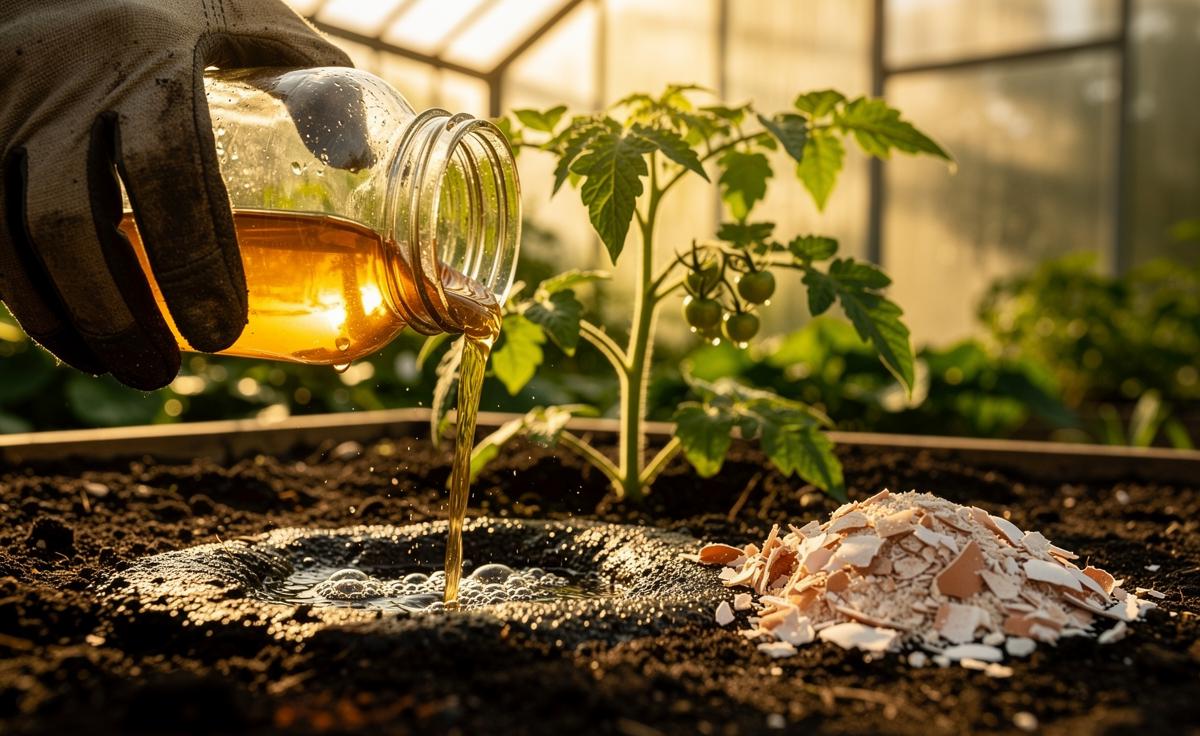
Method 1: Vinegar extraction. Rinse and dry shells, then crush. Add 1 part finely crushed shell to 5–10 parts household vinegar; fizzing releases calcium acetate. When bubbling subsides (12–24 hours), dilute the liquid 1:50–1:100 with water for root drench. Method 2: Hot-water slurry. Bake shells at 180°C for 10–15 minutes, grind to a flour, then steep in near-boiling water for several hours. This yields a weak, faster-than-raw calcium suspension; shake before use and apply as a soil drench. Method 3: Roasted powder top-dress. Ultra-fine powder acts as a slow-release amendment around the root zone, ideal for ongoing baseline support.
Filtration matters: sieve or coffee-filter any extract to protect watering cans and emitters. Always dilute—strong acidic extracts can scorch tender roots. Avoid mixing fresh vinegar extracts directly with alkaline fertilisers; neutralise first via dilution and small test applications. For containers, a rapid, soluble hit (Method 1) prevents transient deficiency during fruit set; in beds, combine slow-release powder with a lighter extract drench after transplanting.
| Method | Calcium Form | Speed | How to Apply | Pros | Watch-outs |
|---|---|---|---|---|---|
| Vinegar extraction | Calcium acetate (soluble) | Fast (days) | Drench at 1:50–1:100 dilution | Rapid root availability | Acidity; must dilute and test |
| Hot-water slurry | Fine carbonate suspension | Moderate | Drench; shake well | Low cost, gentle | Uneven consistency; slower |
| Roasted powder | Very fine carbonate | Slow (weeks) | Top-dress or mix in | Longer-term buffering | Not a quick fix |
Pros vs. Cons: Why ‘Instant’ Isn’t Always Better
The upside of an eggshell elixir is tactical: a targeted calcium boost at transplanting and early fruiting, when deficiency symptoms can cascade into blossom end rot and fragile growth. It’s frugal, circular, and—when prepared carefully—gives you control over timing and concentration. In cool British springs, where root function lags behind foliage growth, a soluble drench can steady the plant’s foundations. It also nudges soil biology with trace proteins and carbonates left from shells, feeding microbe communities that help cycle nutrients.
The flipside begins with chemistry. Strong acid extracts can swing pH locally, shocking fine roots; overdosing calcium can antagonise magnesium and potassium uptake, subtly stalling growth. Hot-water slurries may clog emitters; unsterilised shells can harbour salmonella if not baked first. And remember, calcium’s benefits are moot if watering is erratic—transpiration drives delivery. More calcium is not a substitute for consistent moisture.
- Use soluble elixir for emergencies; rely on soil health for the baseline.
- Do not exceed light, frequent applications; monitor leaf colour and vigour.
- Avoid combining with high-pH mixes immediately; stagger feedings by several days.
- If leaves curl or growth slows post-drench, dilute further and pause applications.
Field Notes From a UK Allotment: Results, Rates, and Timing
On a south London allotment in 2023, I trialled 24 ‘Ailsa Craig’ plants: half received a calcium acetate drench (1:80 dilution) at transplanting and again at first truss; half relied on compost and a balanced organic fertiliser. The elixir group established faster—noticeably firmer stems within a week—and, anecdotally, fewer early fruits showed the tell-tale leathery end. In this small, non-randomised comparison, suspected blossom end rot dropped from five fruits (control) to one (elixir) across the first flush. It’s not a peer-reviewed result, but it mirrors what many British growers report after cold, wet Mays.
Rates that proved gentle yet effective: 200–250 ml of diluted extract per plant as a ring drench, avoiding direct stem contact. In containers, I paired a dusting of roasted shell powder at pot-up with one soluble drench at first truss. Watering consistency was the real hero: deep, steady moisture locked the calcium in. Aim for a soil pH between 6.2 and 6.8; if your tap water is hard, you may already have background calcium, so reduce frequency.
| Stage | Dose (per plant) | Frequency | Notes |
|---|---|---|---|
| Transplanting | 200–250 ml at 1:80–1:100 | Once | Apply to a shallow ring 10–15 cm from stem |
| First truss set | 200 ml at 1:100 | Once | Only if growth is rapid or BER history exists |
| Mid-season | Light top-dress (powder) | Optional | For beds with sandy soils or heavy rain |
Eggshell elixirs can be more than a thrifty hack; done thoughtfully, they’re a precise tool in a tomato grower’s kit. Prioritise soluble calcium when roots are building, keep moisture even, and resist the urge to “double up” with heavy doses. Think of calcium as scaffolding: strong, quiet support that lets plants focus on fruit. With a few shells and a jug of vinegar, you can turn breakfast scraps into resilience. How might you adapt these methods to your soil, water, and variety—what trials will you run this season to find your own sweet spot?
Did you like it?4.5/5 (29)